Karen Hanmer

Artists' Books & Installation

Teaching

To register for a workshop, please contact the sponsoring organization. To schedule a workshop for your group, use the Contact form.

Also check the Calendar for scheduled workshops and public lectures. In addition, I teach a few workshops a year in my studio. Contact me to be placed on this email list.

Workshops are two days unless noted, but many can be abbreviated or expanded.

Private instruction or special workshops on topics of mutual interest are also available.

Books made as demos in these workshops are often available for purchase. Please contact me for more information.

Biblio Tech: reverse engineering historical and modern binding structures (with a focus on board attachment)

Biblio Tech II

June 29-30, 2013 Focus on Book Arts Conference, Forest Grove, Oregon
August 17-18, 2013, Minnesota Center for Book Arts, Minneapolis, MN
November 2-3, 2013, Guild of Workers, California Chapter, Los Angeles area


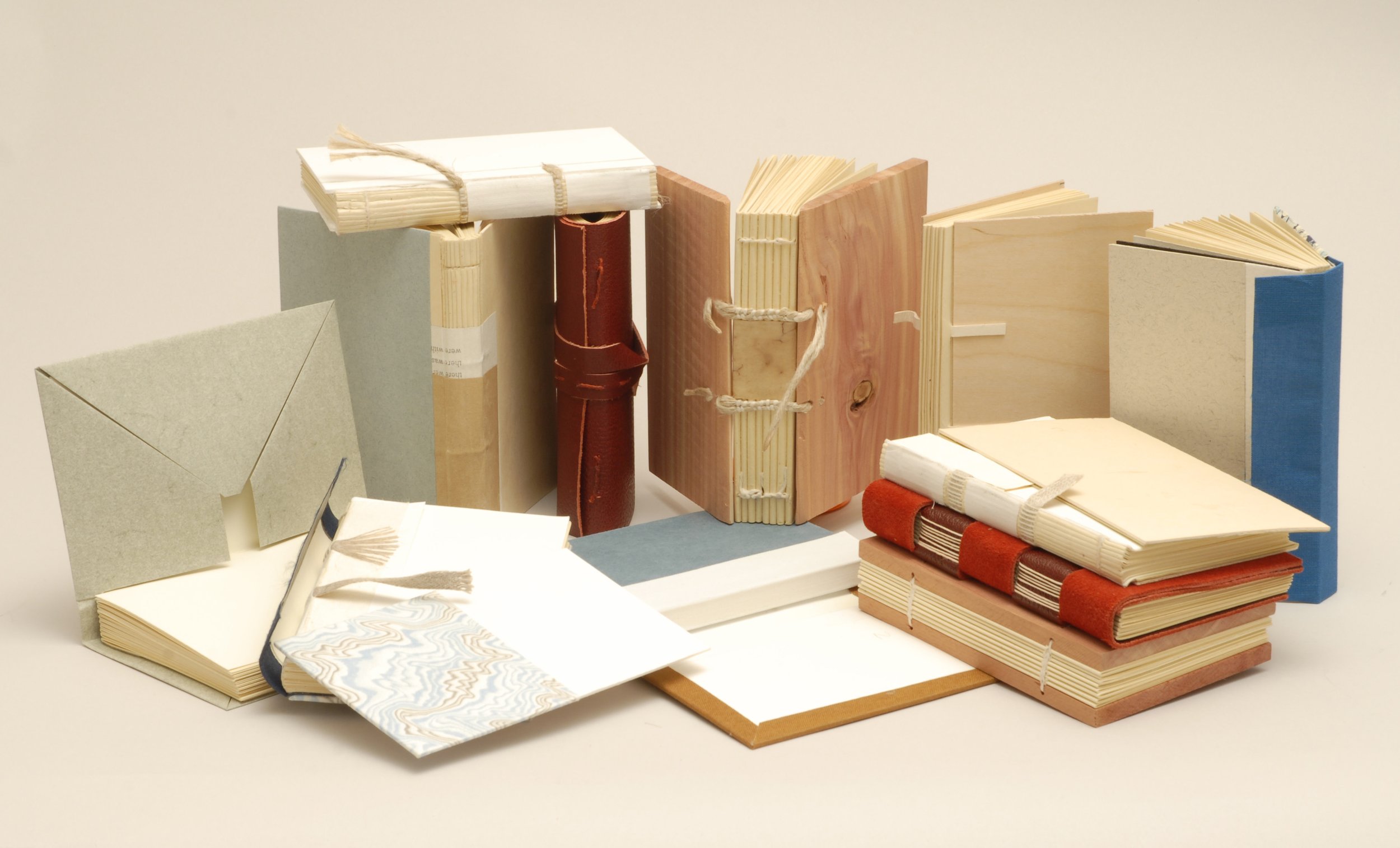
Workshop begins with a hands-on lecture on a set of approximately twenty-five models of various historical and modern binding structures, with a focus on methods of board attachment. Similarities between historical and modern structures will be stressed. A chart giving brief structural descriptions of all the binding models presented will be provided to aid students in continuing their study.

Students will create five or six small models from the larger set in a two-day workshop, or ten to twelve in a week-long workshop. These models will remain unfinished so the sewing and board attachment are visible for future reference. A handout will be provided giving a rough outline of the steps to create the models made in class.

This is a fast-paced workshop for students who already have some experience with traditional binding.

Read a student's blog post about this workshop here.

Biblio Tech II covers five additional strucutres.

Biblio Tech I and II can be presented together as a week-long workshop.

The models made in the Biblio Tech workshop are available in a boxed set, together with a forty-five page illustrated booklet outlining key structural features of each binding, and providing numerous references for further study.


Medieval on the go: The Girdle Book

The girdle book is a Medieval binding structure featuring a long extension of leather which could be attached to a traveler’s belt. The leather extension terminates in a decorative knot.

In this three-day workshop, participants will construct a girdle book on the foundation of a typical Medieval binding:

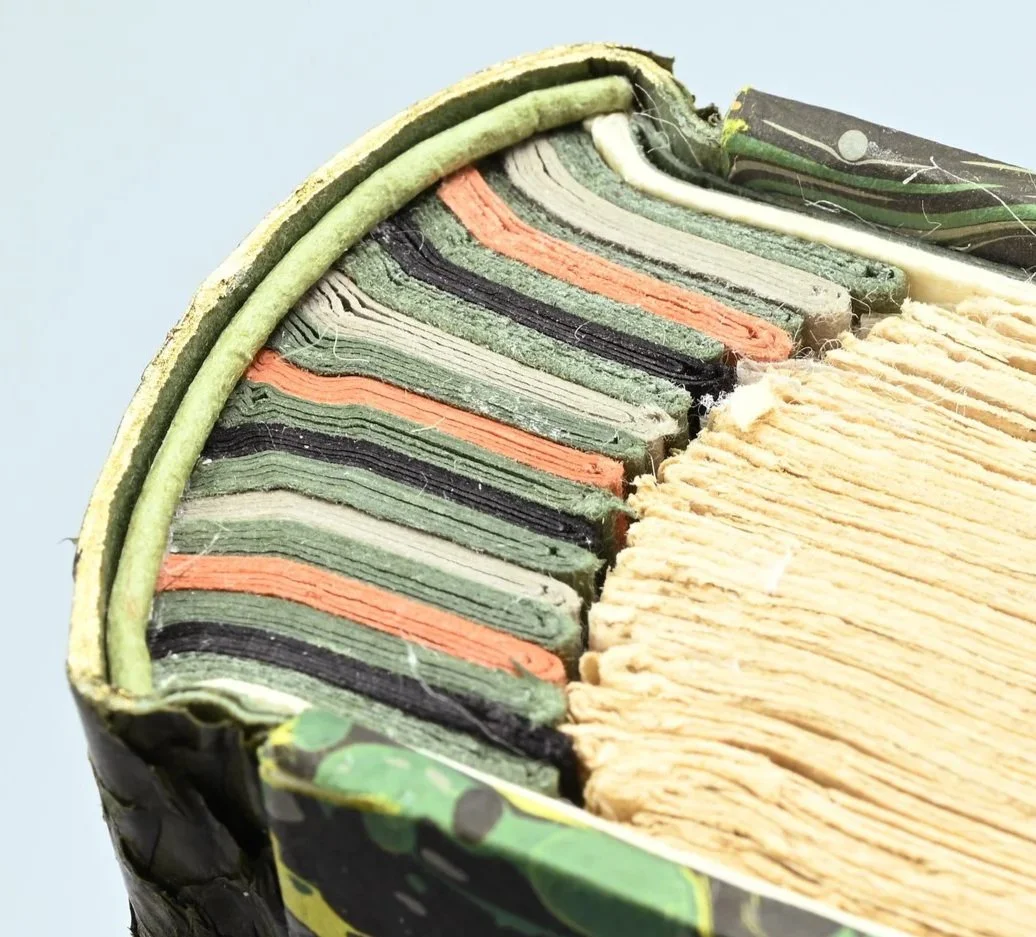
Text block sewn on double raised supports; boards flush with the text block and beveled on all outside edges; boards shaped at the inside spine edge to match the text block’s natural shoulder, then laced on and pegged; sewn headbands; covered in full leather; strap and pin closure, simple bosses at the corners.

This is a fast-paced workshop for students who already have some experience with traditional binding.


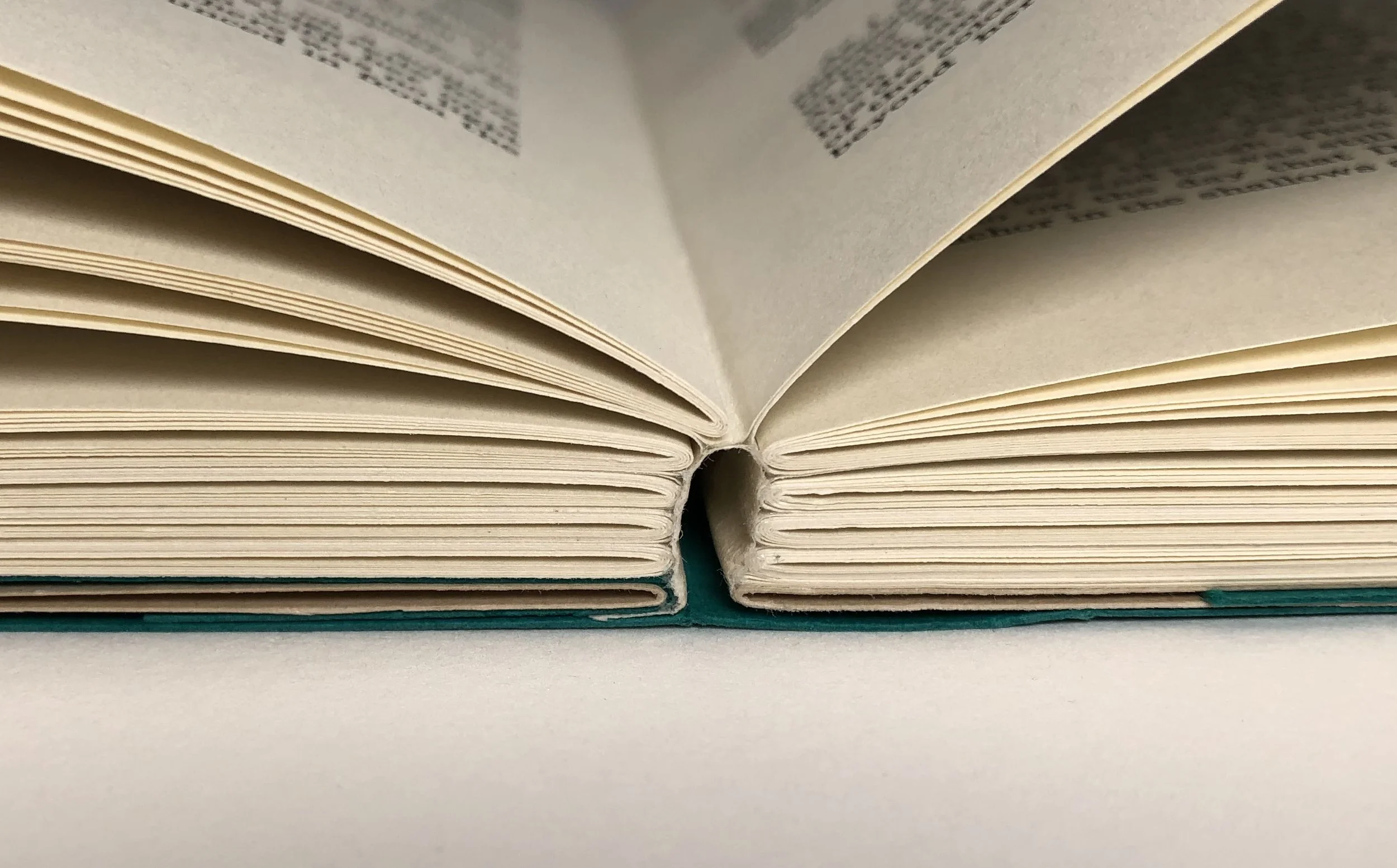
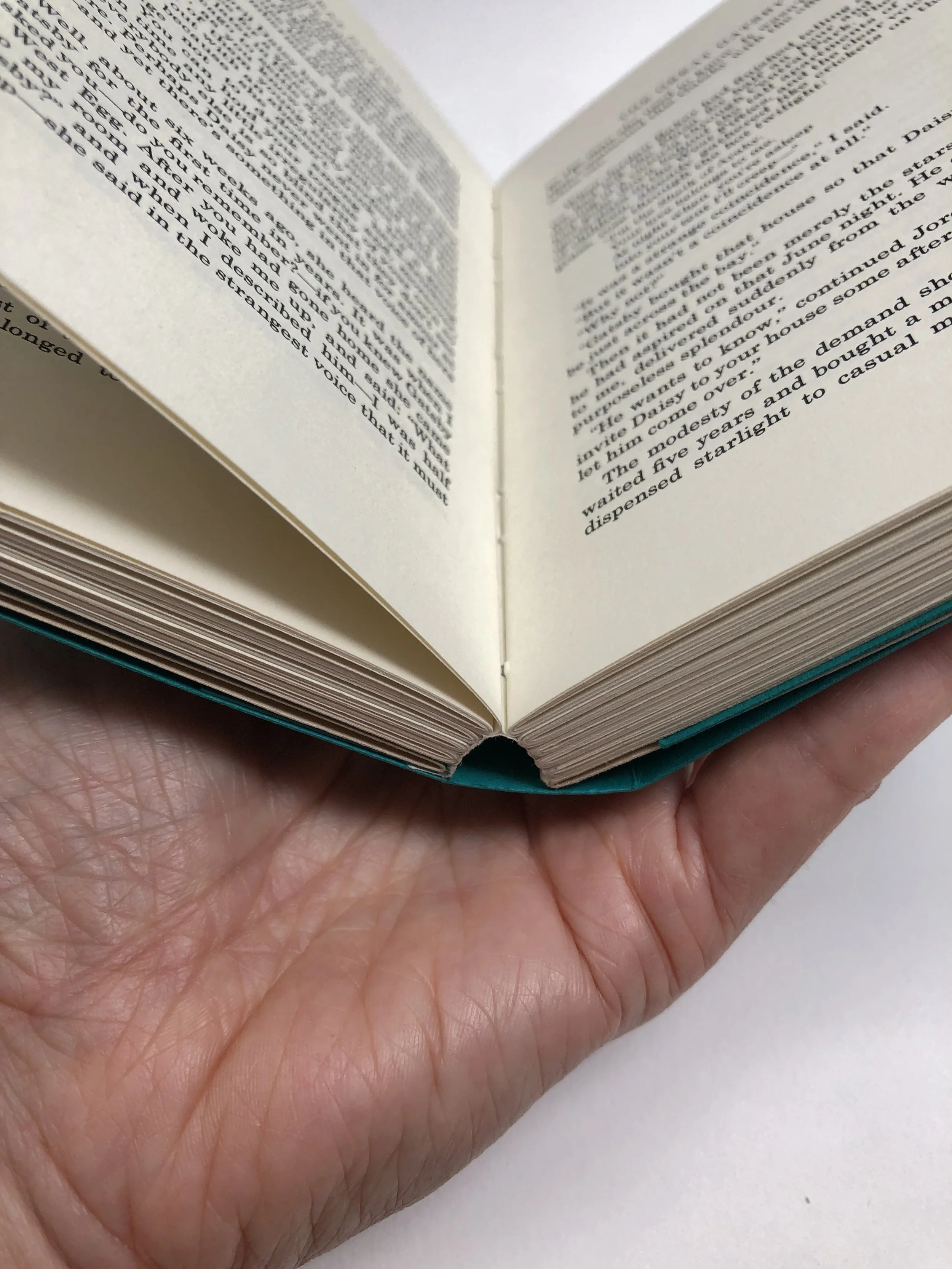
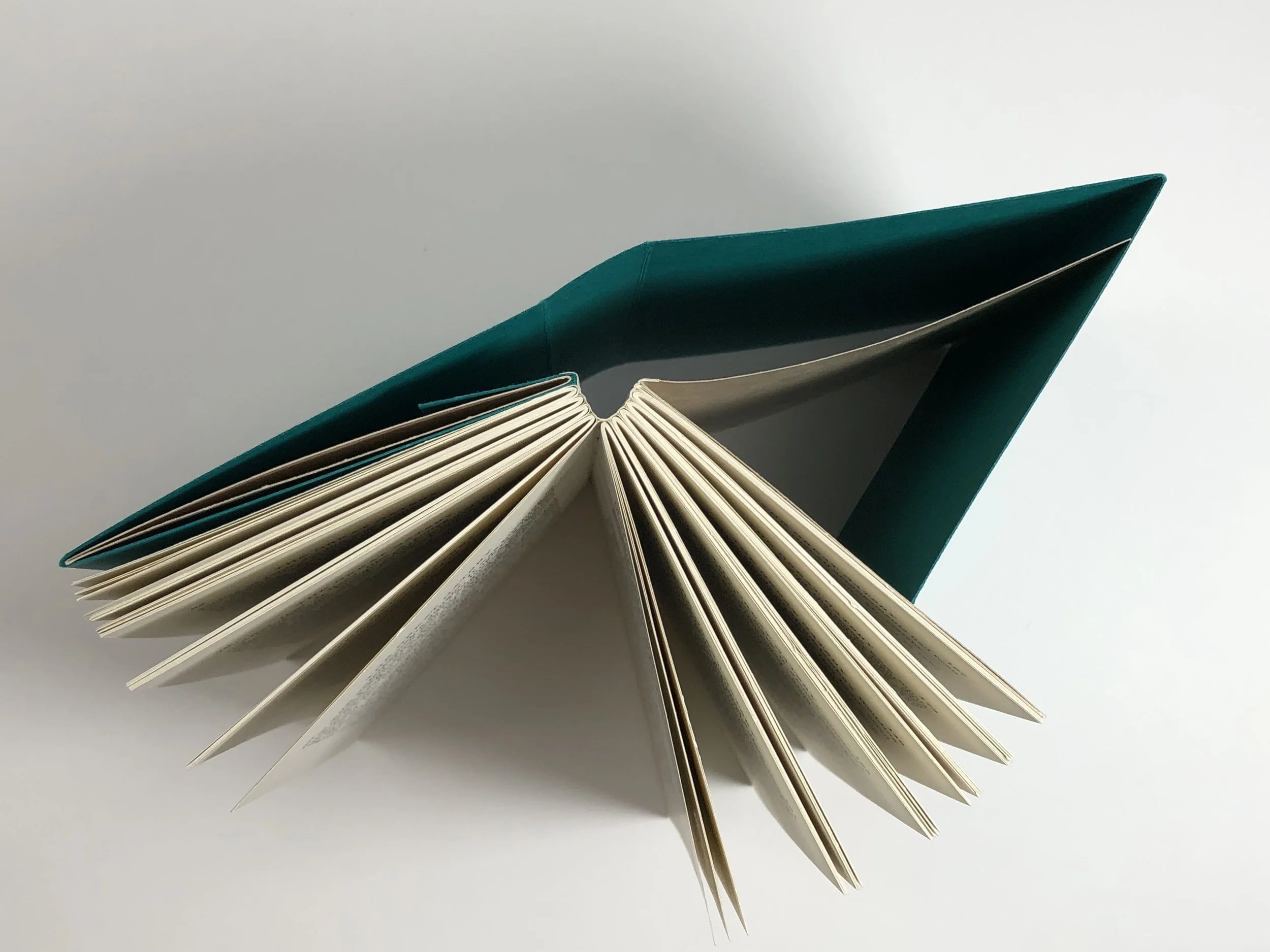
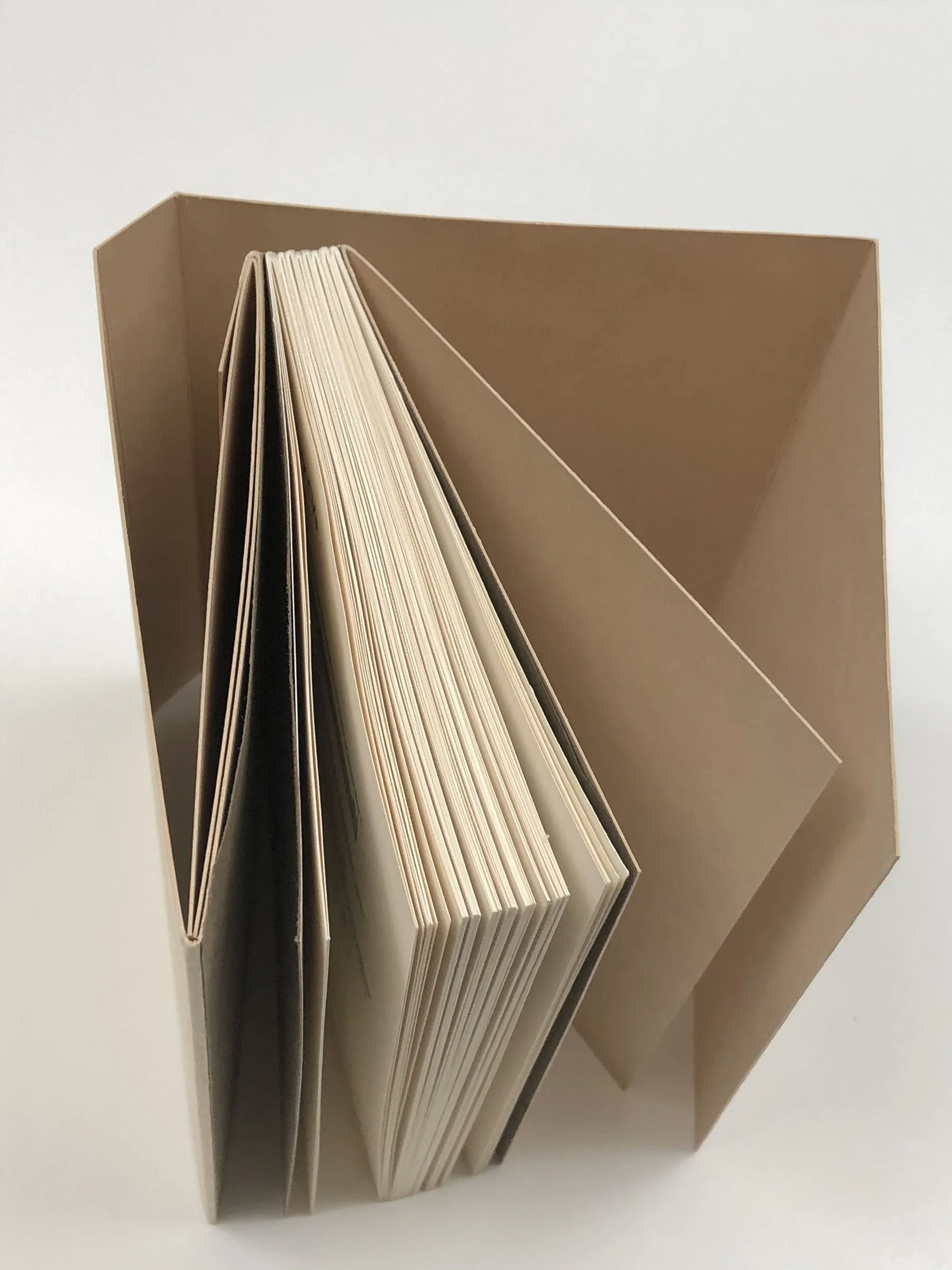
Variations on the Sewn Boards and Drum Leaf bindings

October 10-12, 2013 Washington, DC, The Guild of Book Workers Seminar on Standards of Excellence in Hand Bookbinding.
Note: This is a three-hour presentation only, not a hands-on workshop.


The sewn boards binding is an elegant, modern adaptation of an ancient binding.

The drum leaf binding is the perfect structure for printmakers, photographers, or anyone who desires to present visual narratives with no sewing thread to interrupt the flow of imagery. Because a drum leaf book is made of single folios, not signatures, the complexities of imposition are not necessary when laying out text.

Both structures can be dressed up or down with a variety of spine treatments and edge decoration techniques. The books open very flat. They can be constructed quickly, are perfect for edition work, and can be made in a sparsely equipped home studio.

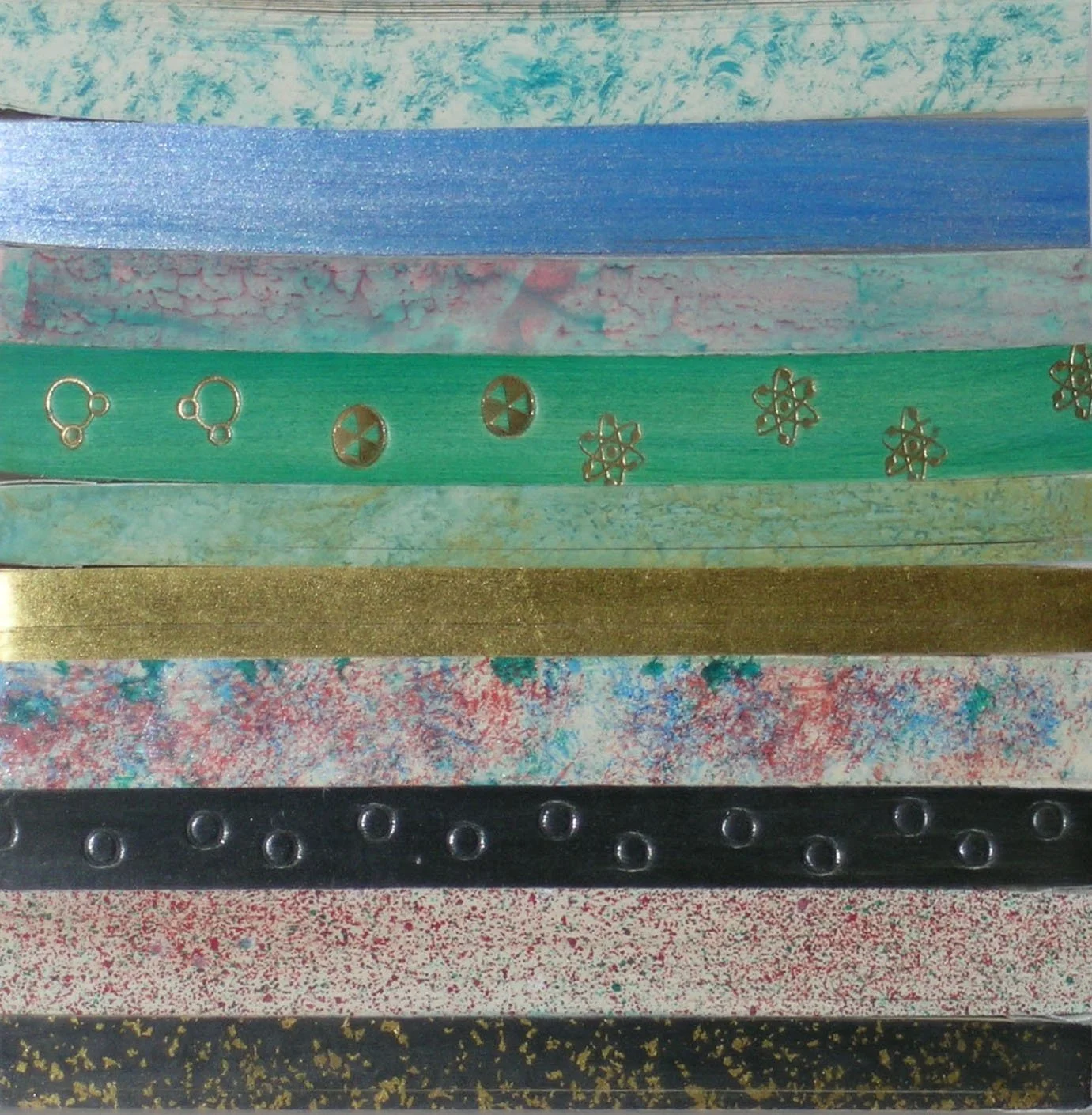
In this two day workshop, students will make at least three book models, and experiment with various spine wrappers, decorative spine linings, and edge decoration techniques including solid color, sprinkling, sponging, graphite, gauphering, sprinkling with metal leaf.

A detailed handout will be provided with instructions for all the structures and techniques presented.

Additional images of sewn boards and drum leaf bindings here

Note: As a one day workshop, students would make one sewn boards and one drum leaf binding only, the basic structures with break-away spine piece. Edge decoration and spine and board finishing variations are not covered.


The Springback Binding

The nineteenth century Springback Binding with its enthusiastic opening is ideal for journals, guest books, sketch books, or any application where it is desirable that the book open flat, and then some. The book both opens and closes with satisfying jolt.

The Springback Binding is also a perfect way to delve more deeply into traditional binding. The book features two-part “split boards,” reinforced “made” endsheets, and a “spring” made of layers of card and paper.

With its robust aesthetic, the Springback Binding is a great way to begin working with leather. The paring requires minimal finesse, and the modest leather headcap is easy to form.

This is a fast-paced workshop for students who already have some experience with traditional binding.


Streamlined Style: Contemporary decorative techniques for leather bindings

June 27-28, 2013 Focus on Book Arts Conference, Forest Grove, Oregon

Winter 2014 Guild of Workers, California Chapter, Los Angeles area

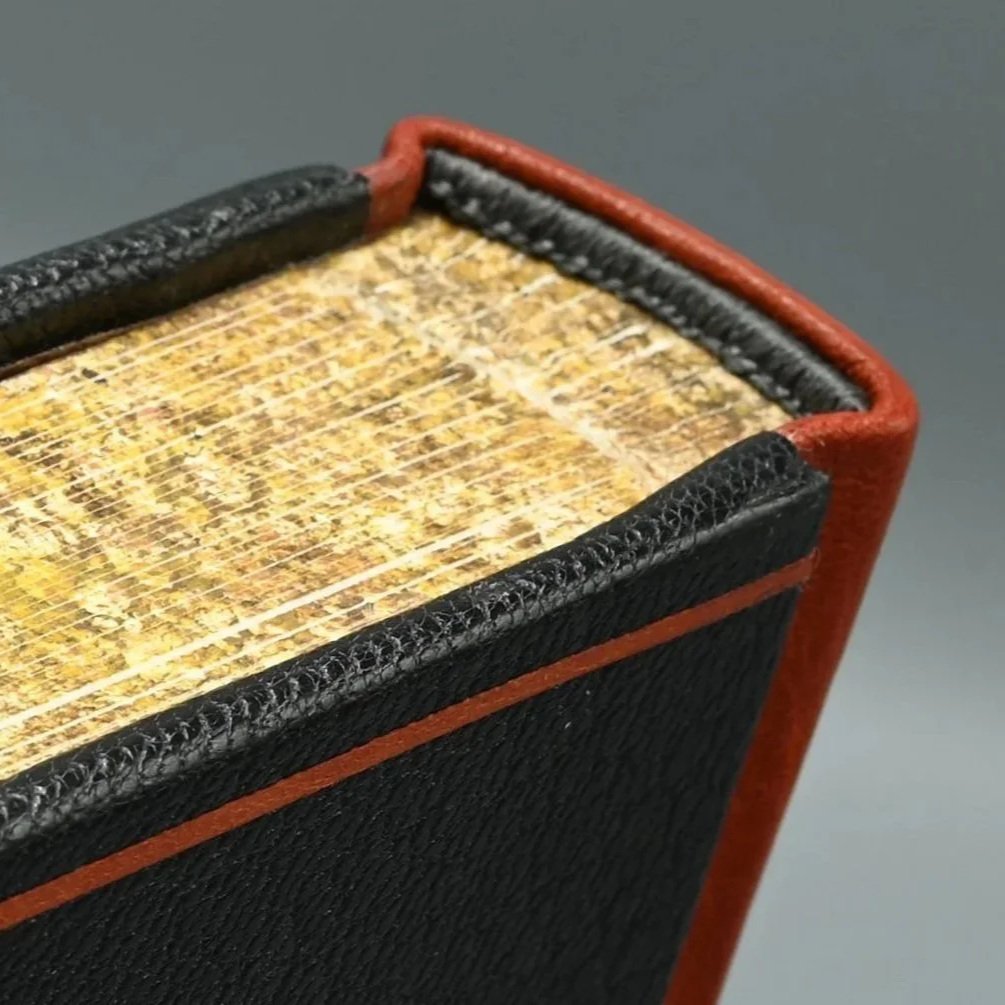
Learn a variety of decorative techniques for use on leather bindings. These techniques require minimal equipment or leatherworking skill, and some can also be applied to cloth or paper. Techniques demonstrated will include: backpared onlays, inlaid lines, stamping texture into leather, feathered onlays, Lacunose (abstract sanded leather collage), various inlay techniques, laminating a paper illustration for use as an inlay, various methods of creating sculptural boards, transfer of computer-printed onlay shapes from paper to leather, and laser printing on leather.

Students’ completed set of four goatskin plaquettes together with a detailed handout covering all the techniques presented will be a valuable reference for future projects.

See examples of the techniques covered in this workshop here


Book Binding Boot Camp: Paper Cases and Wrappers

July 7-11, 2014, Cullowhee Mountain ARTS, Cullowhee, NC


This workshop can be condensed or expanded to fit a time frame of two to five days. Longer sessions may begin with a session on making decorative papers, which would be used as endsheets and to cover our books.

We will explore two to three book structures per day, ranging from unsewn folded sheets to multi signature books with structural and decorative sewing. Some of the books will have soft paper wrappers, others will have stiff covers. Some will be sewn on supports.

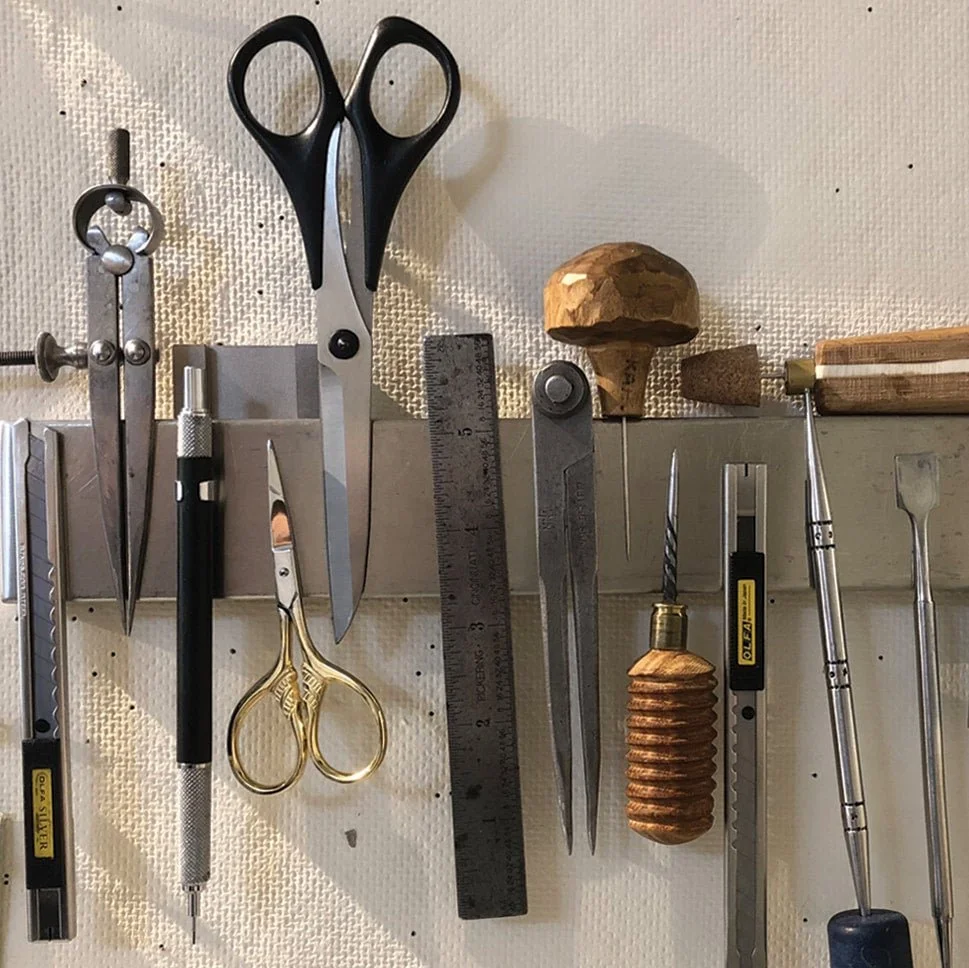
Beginners will be introduced to the basic tools, techniques and materials of bookbinding. During this information-packed course you will build the knowledge and skills to continue making books in your home studio with a few hand tools and no specialized equipment.

More advanced students will learn new bindings, and see how mixing and matching of various techniques can create the right structure for any project.

Structures may include Drum Leaf, Sewn Boards, Longstitch, German Stiffened Paper Binding, Crossed Structure, a multi-signature pamphlet, and various folded paper cases.

This attractive set of models, together with detailed handouts, will be a valuable reference and inspiration for future projects.


Pyramid Power: the hinged triangle book

This artists’ book structure functions on numerous levels: as a codex held in the hand and read page by page in sequence, as a sculpture, and as a delightful object to play with. Students will have the opportunity to examine a variety of finished pieces and models.

Discussion will include cutting triangles of consistent size and angle, techniques to ensure flexibility of the structure, how to determine a path through the structure for text and imagery, and various patterns for assembly. Importance of creating and refining prototypes will be stressed.

In this one day workshop students will make one or more models as time permits, with the triangles hinged to form different patterns and plans for adding imagery and/or text to future books.


All Shook Up: Interplay of text and image in the flag book format

The foundation of Hedi Kyle's deceptively small and simple book "flag book" structure is an accordion folded spine. Flaps attached to both sides of each of the spine’s “mountain” folds allow the artist to fragment and layer a number of complementary or contrasting images and narratives. When the flag book spine is pulled fully open, the fragmented images on the flaps come together to create a large, panoramic  image. This transformation is accompanied by a delightful flapping sound. The spine and covers provide opportunities for additional imagery.

In this two day workshop, students will make two different styles of flag book. For both styles a sample will be made from kits provided by the instructor, plus a more finished book with students’ imagery and hand written text will be made for one or both as time permits. This could also be conducted as a one day workshop, making only one of the two styles of flag book.

Students will experiment with complementary and contrasting text and images. The class will discuss the effects of different spine and page dimensions, direction of motion, and which images will be most successful for different book styles. Students will learn a tidy, non adhesive method of covering boards and use a jig to facilitate quicker, more precise assembly.

Before creating books using their own text and imagery, students will review and discuss books from the instructor’s collection of books by other artists, as well as discuss the success and possibilities for improvement of their book models. The instructor will stress the importance of prototype construction and critical thinking at the onset of a project.

While this is not a computer class, digital printing and setting up PhotoShop templates for pages, covers and spines will be demonstrated.

See additional images of flag books here

Download Hanmer's Bonefolder article that this workshop is based on here: (PDF 1.6M)